A field compendium of notable fauna, aberrations, and entities encountered across the known world, compiled and annotated by Quillian of Portsend, naturalist, reluctant adventurer, and survivor of more expeditions than is strictly advisable.
Animals
Beasts, mounts, and natural creatures of the world: dangerous or domesticated, wild or bred for service.
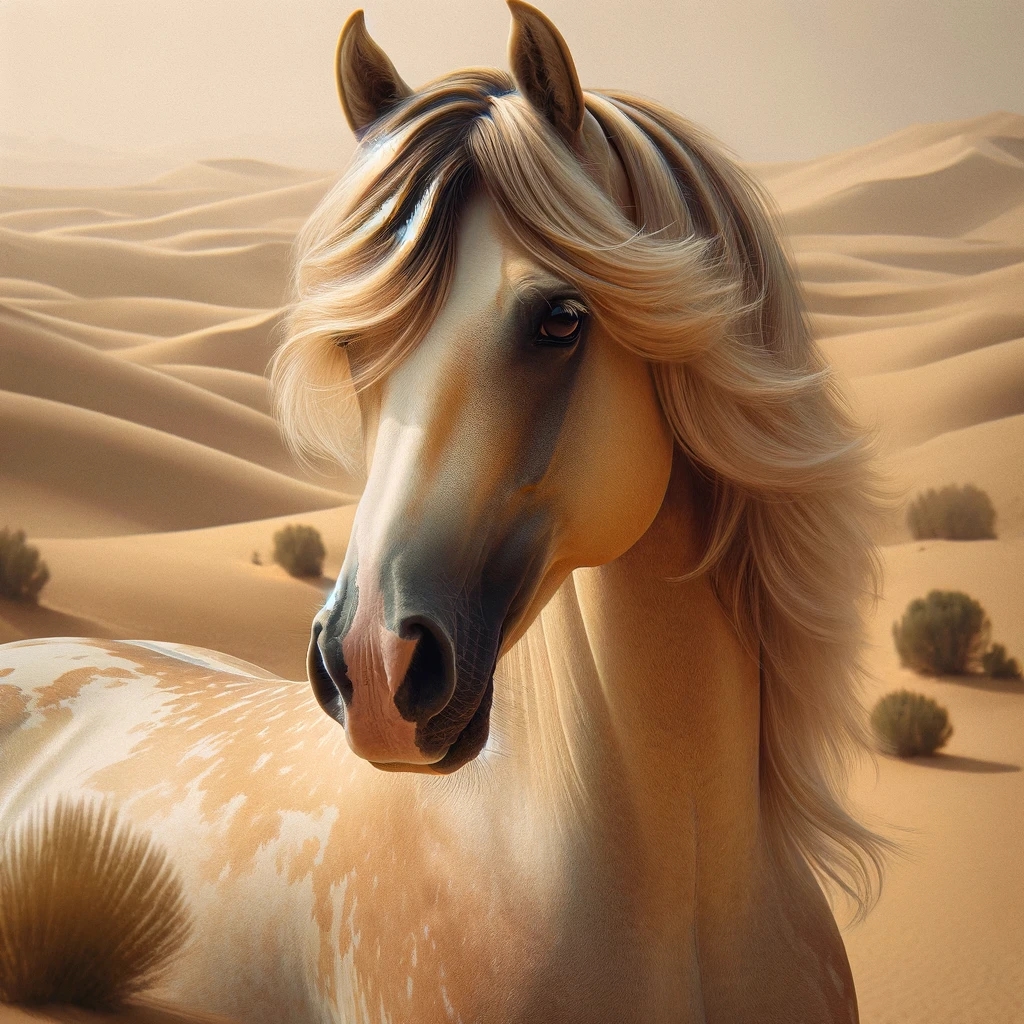
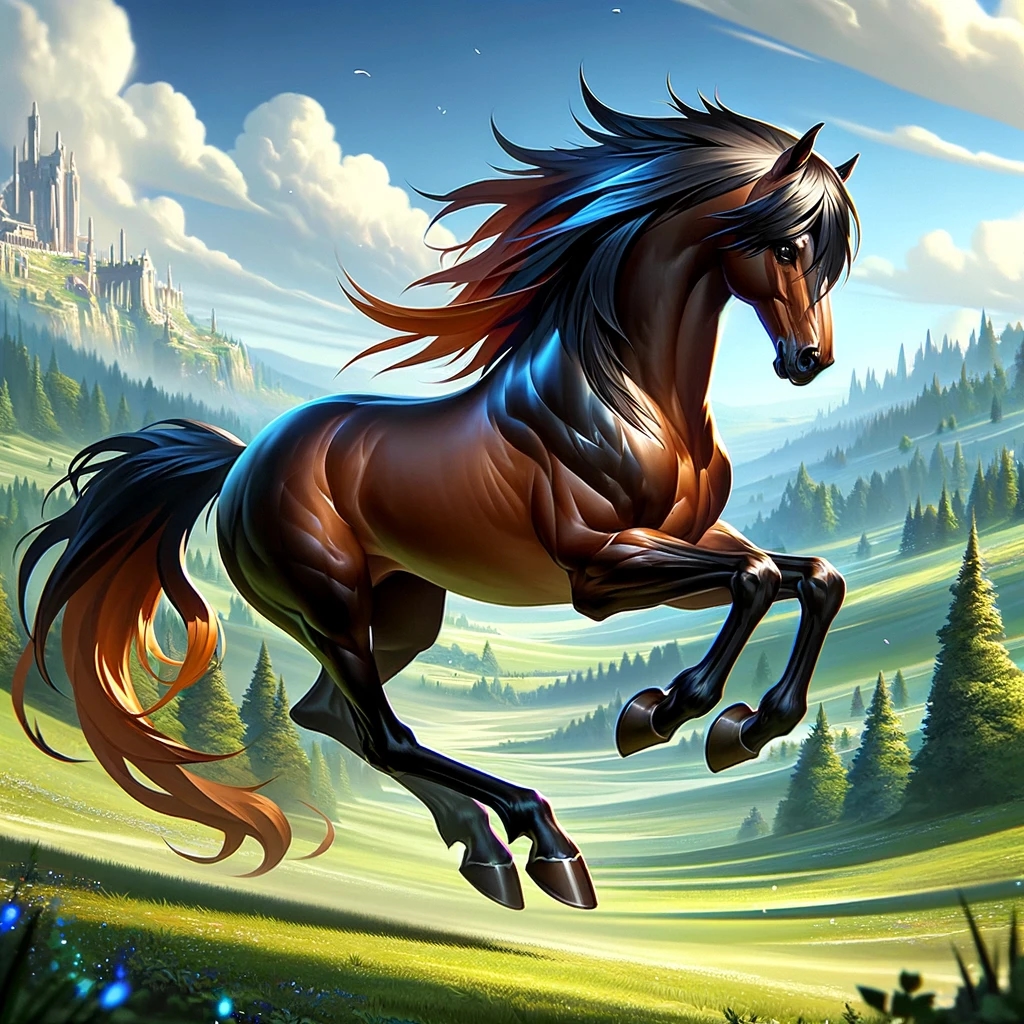
A supremely elegant desert breed native to Jazirah, prized across the known world for its endurance, speed, and composed temperament under pressure. The Al Jaziri is the preferred mount of Jazirah's nobility and cavalry, capable of sustaining a gallop across open desert for distances that would break lesser horses.
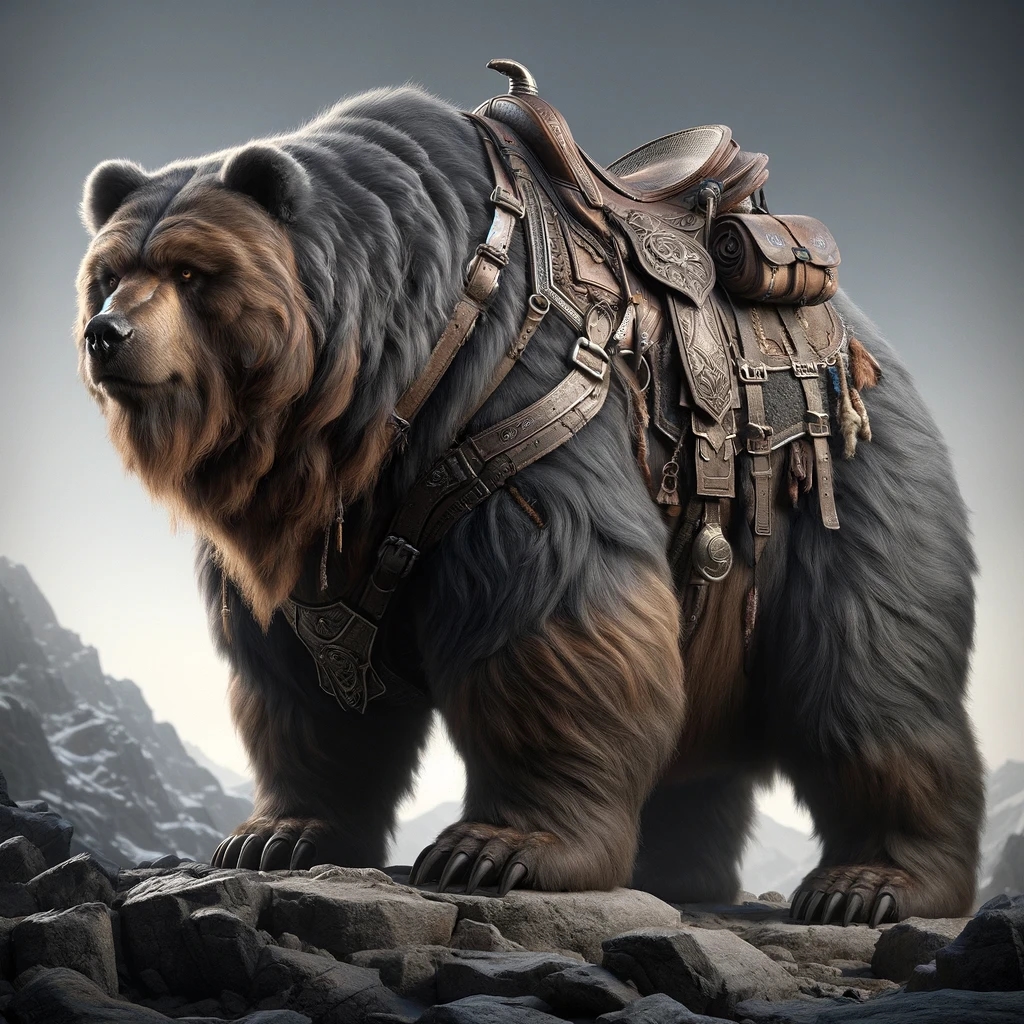
A massive, armor-plated fish native to the deep freshwater lakes of the northern regions, notable for the sonic pulse it emits when threatened. The Grizzleback's spine ridges are used in instrument crafting, and its flesh, when the pulse organs are carefully removed, is considered a delicacy in Dwarven settlements.
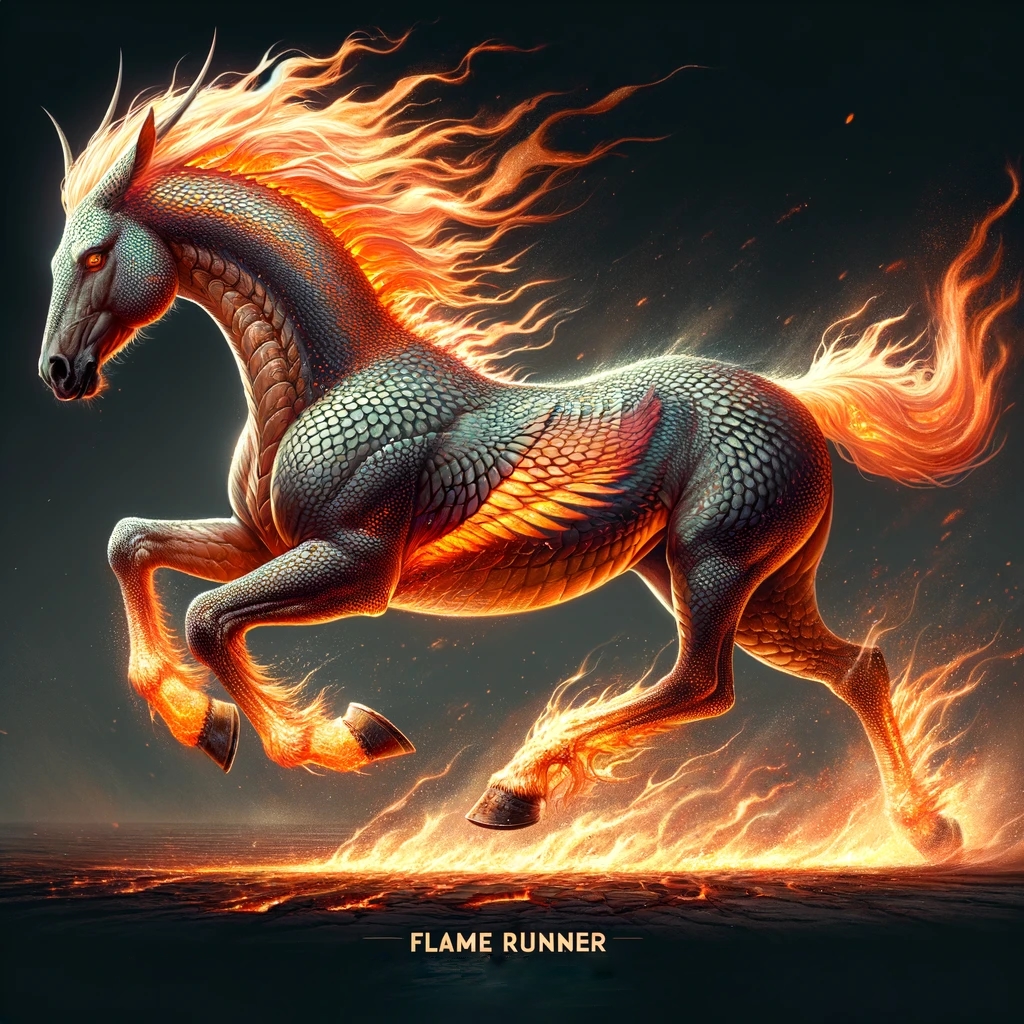
A fast, flightless reptilian creature believed to carry trace draconic bloodline, capable of exhaling short bursts of flame when cornered. Flame Runners are used as racing animals and light cavalry mounts in warmer climates, valued for their aggressive temperament and their unnerving effect on enemy horses.
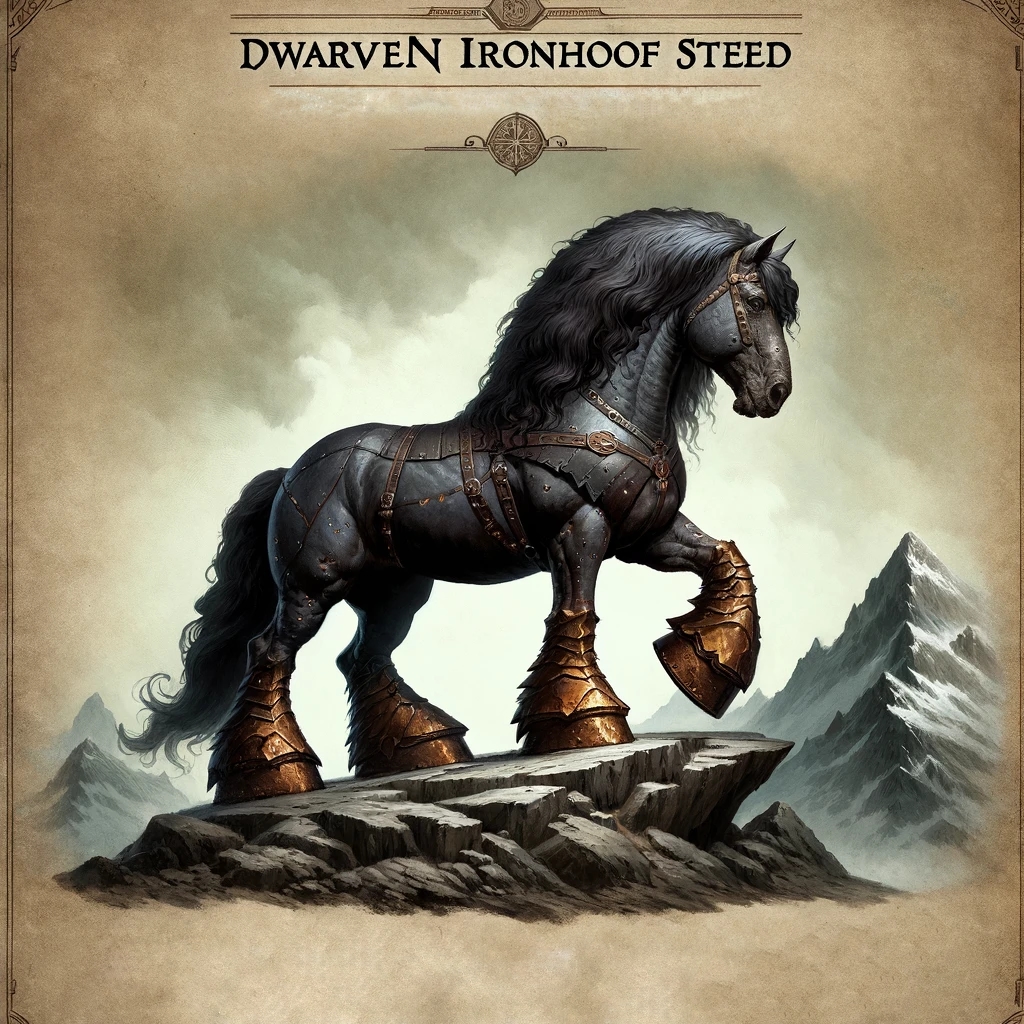
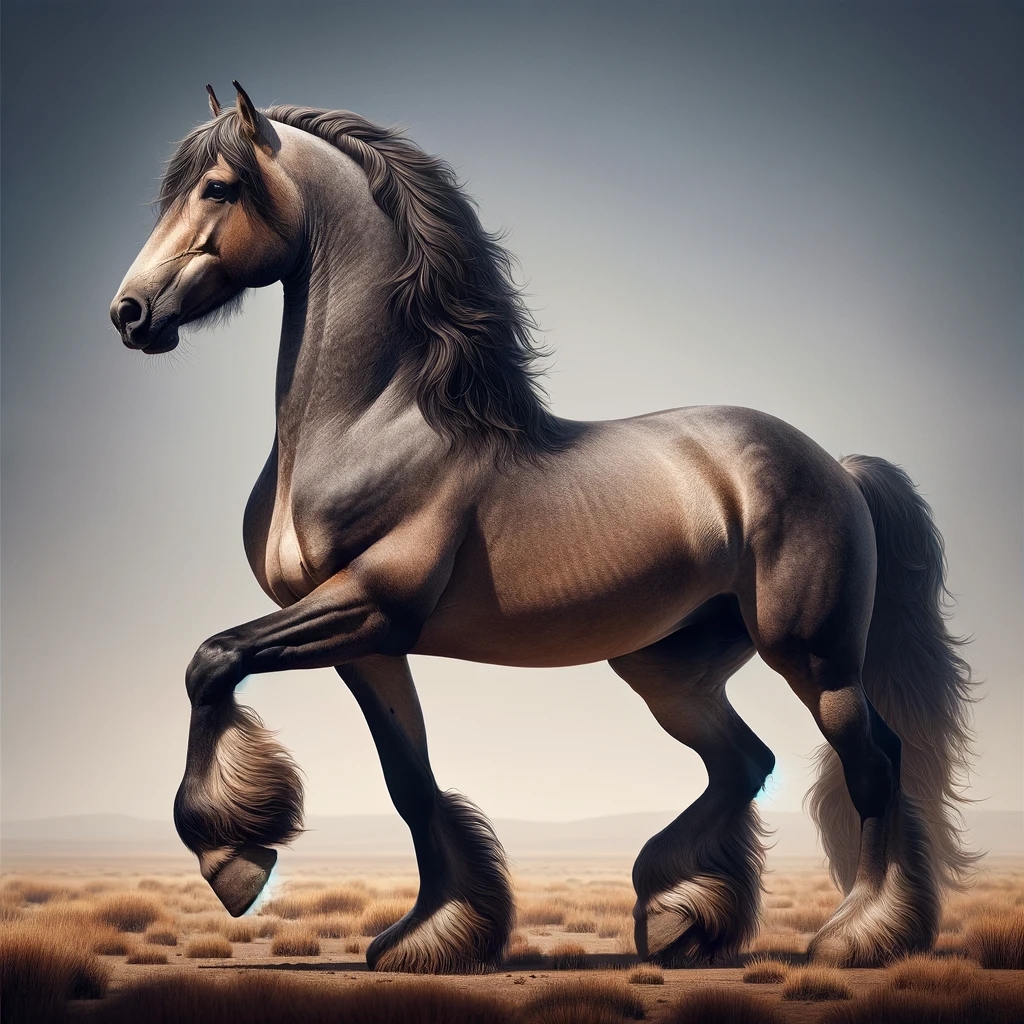
A heavy, compact draft horse selectively bred by Dwarven clans for centuries, with hooves so dense they ring against stone like a hammer strike. Built low and wide, the Ironhoof can carry enormous loads across mountain terrain, is completely unbothered by tunnel environments, and has a stubborn endurance that outlasts nearly any other working animal.
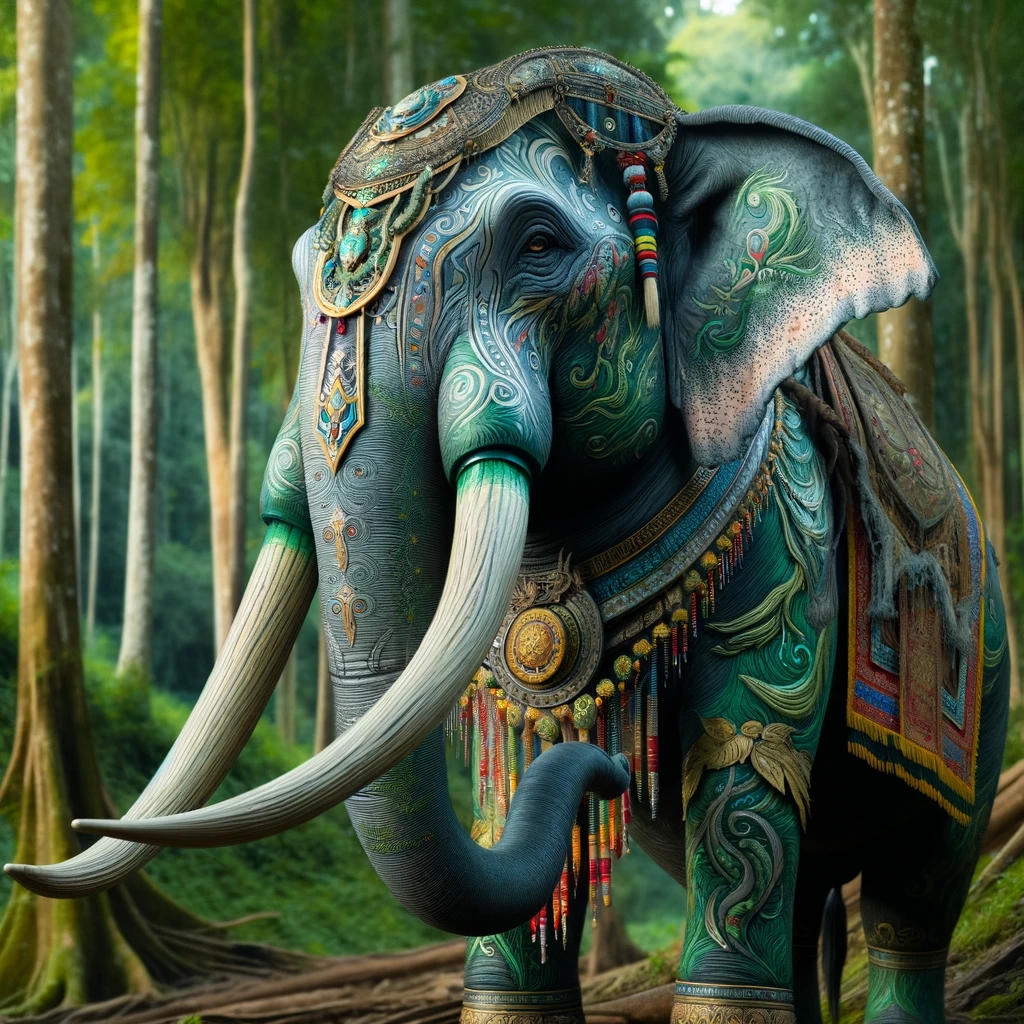
A massive, deep-green-skinned elephant variant found in the dense jungles of the southern continent, with a thick hide that resists blades well enough to serve as natural armor plating. Emerald Pachyderms are used as war beasts by southern warlords and as heavy haulers in logging and mining operations, those few who can be brought to heel, at any rate.
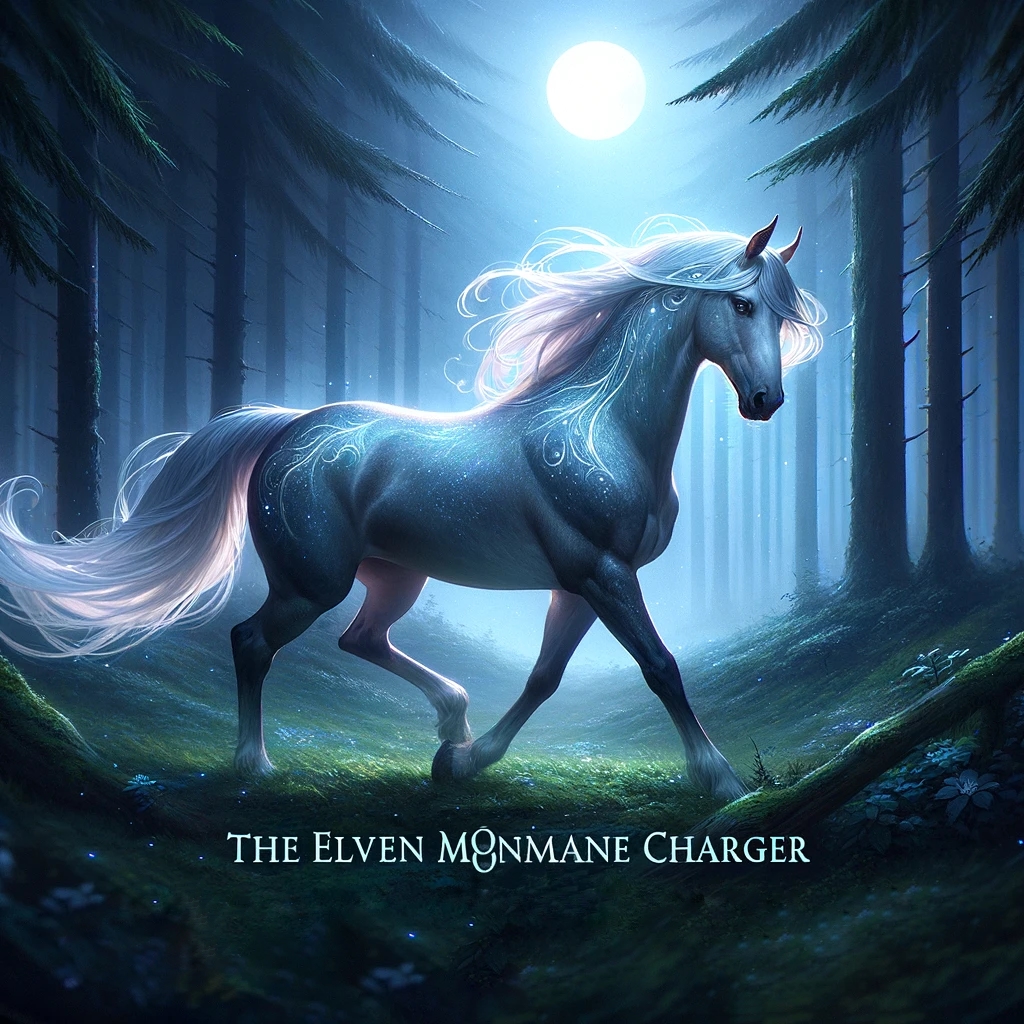
A tall, silver-maned horse of unmistakable elegance, bred exclusively within Elven communities over centuries of careful selection. Moonmane Chargers are unnaturally responsive to their riders and seem to partially anticipate commands, an effect Elven breeders attribute to a faint empathic bond developed through generations of close handling. They are rarely sold to outsiders.
A large, bipedal marsupial native to the eastern grasslands, used as a light courier mount by Halfling communities and scouts who need speed over rough terrain. The Hopper's bounding gait is uncomfortable for riders not trained to it, but covers ground at remarkable speed and can clear obstacles that would stop a horse entirely.
The standard warhorse of Irna's military forces, a tall, powerful breed developed for the demands of armored cavalry in open-field engagement. Irnian Coursers are trained from foalhood to hold their nerve under the sounds and chaos of combat, and the breed's consistency of temperament makes it the most reliable military mount in the region.
A hardy, stocky working horse bred by the Funta people of the interior plains, known for an almost supernatural sense of direction and an ability to find water and safe footing in terrain that defeats conventional navigation. Kasike Horses are not fast, but they do not get lost, do not panic, and do not stop.
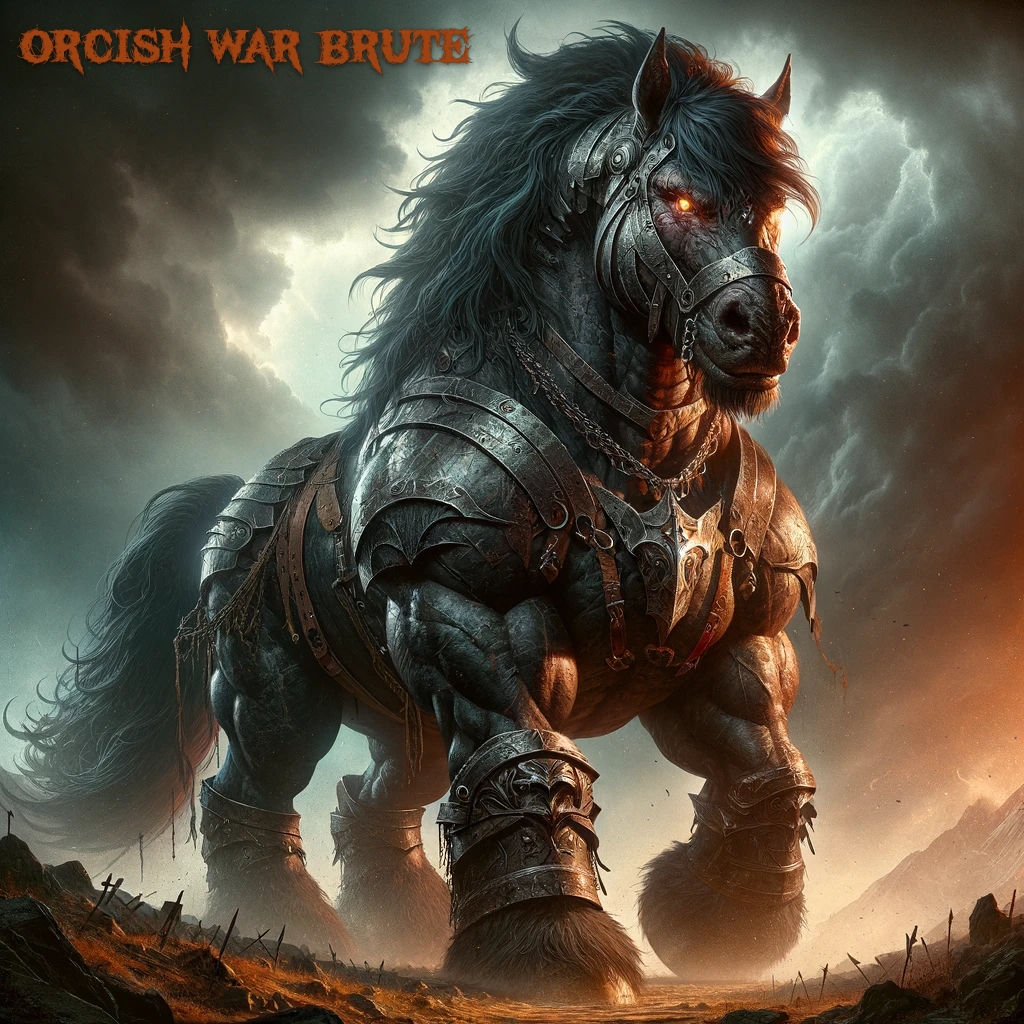
A massive, thick-limbed beast bred for generations by Orcish clans as a shock cavalry mount: part boar, part something older and angrier. The War Brute has no interest in being calm and considerable effort is spent simply pointing it at the correct enemy. It is not a mount for the inexperienced; it is a siege weapon that happens to accept a rider.
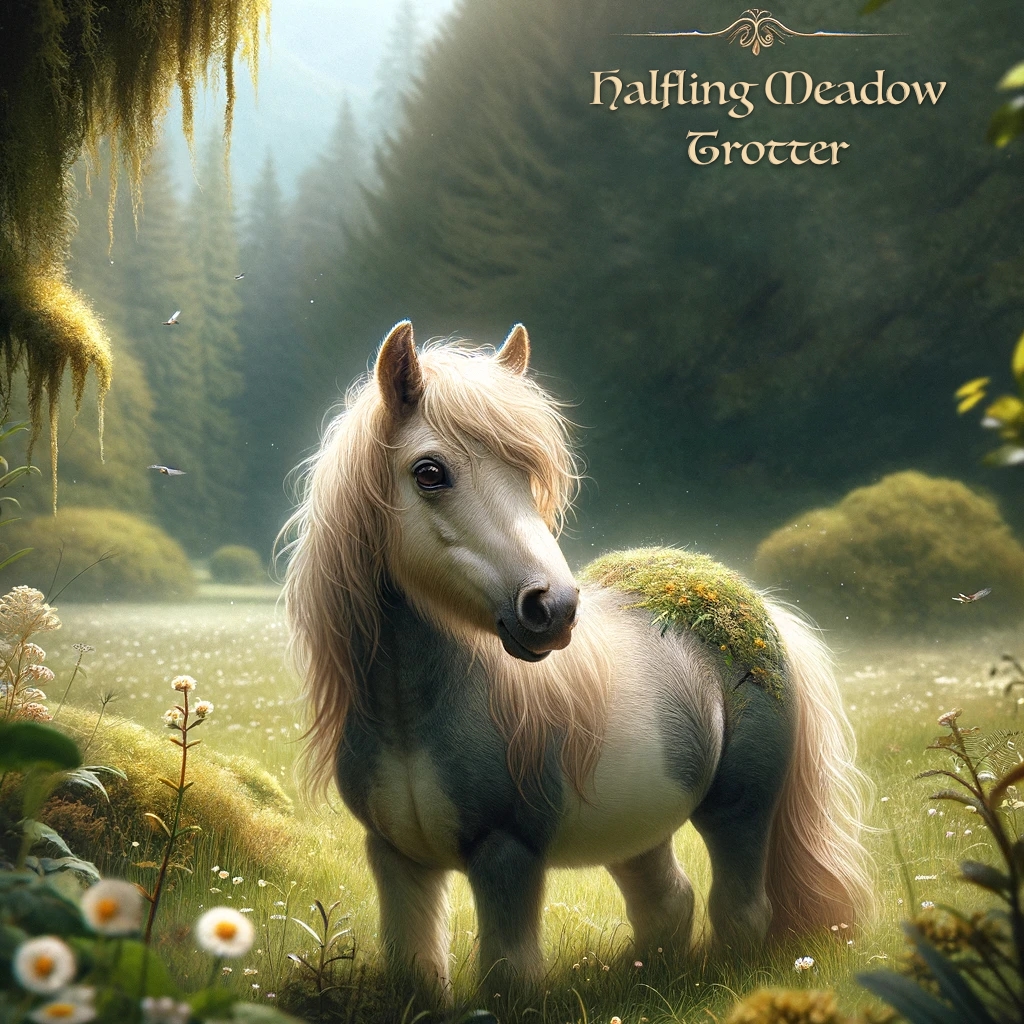
A small, round-barreled pony bred by Halfling communities of the Smaling Meadows: cheerful in disposition, nearly indestructible in constitution, and sized exactly right for its breeders. The Meadow Trotter is a practical animal: not fast, not impressive, but reliably comfortable over long distances and capable of subsisting on forage that would leave other horses hollow-eyed.
Dragons
Draconic creatures of all varieties, from the elemental true dragons to stranger kin bearing the blood of that ancient lineage.
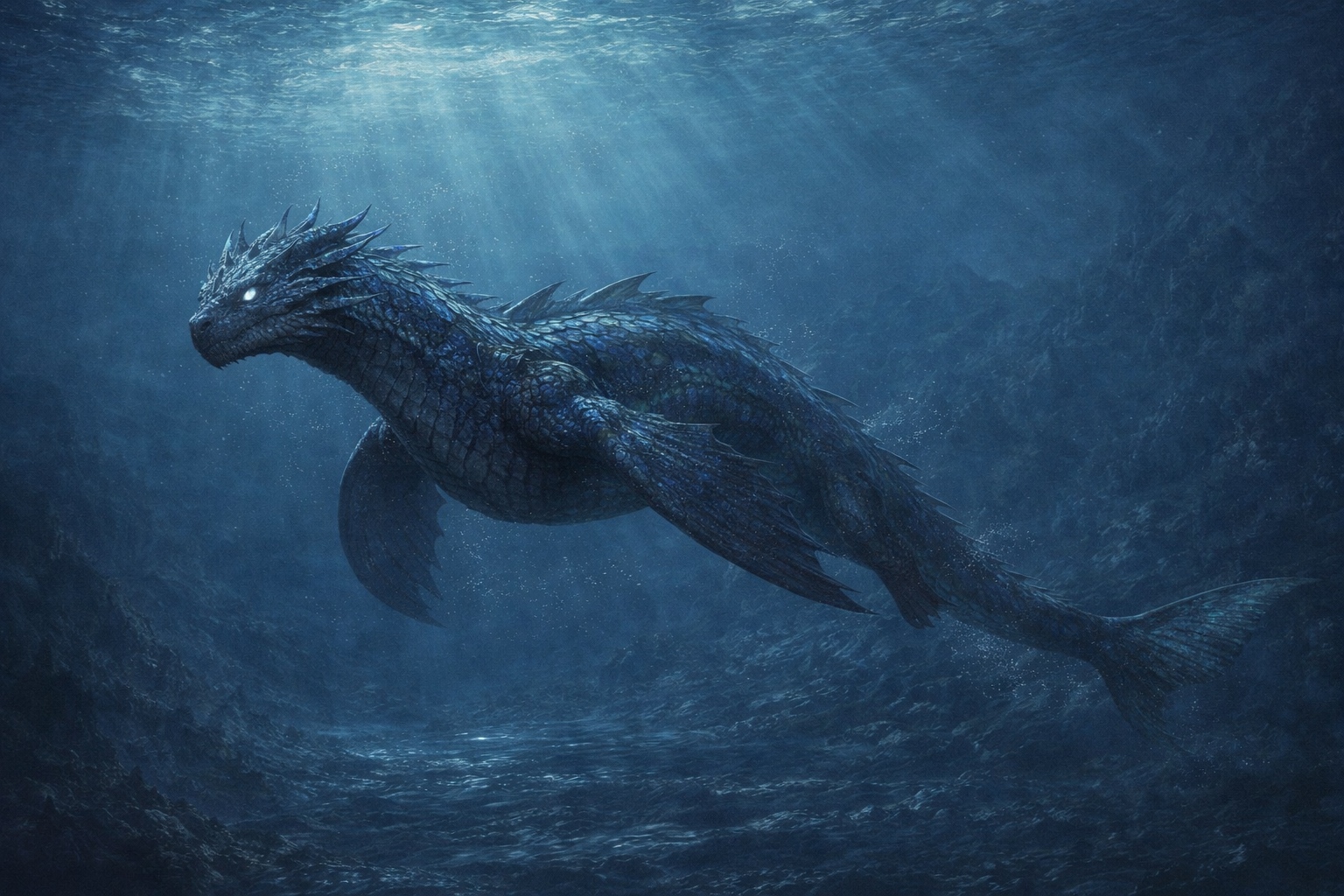
A massive sea dragon that makes its lair in deep coastal waters, capable of generating crushing gravitational force that pins ships and creatures in place. Anchor Dragons are among the primary reasons certain sea lanes have gone permanently unnavigated: not because of storms, but because ships that entered them simply stopped and sank.
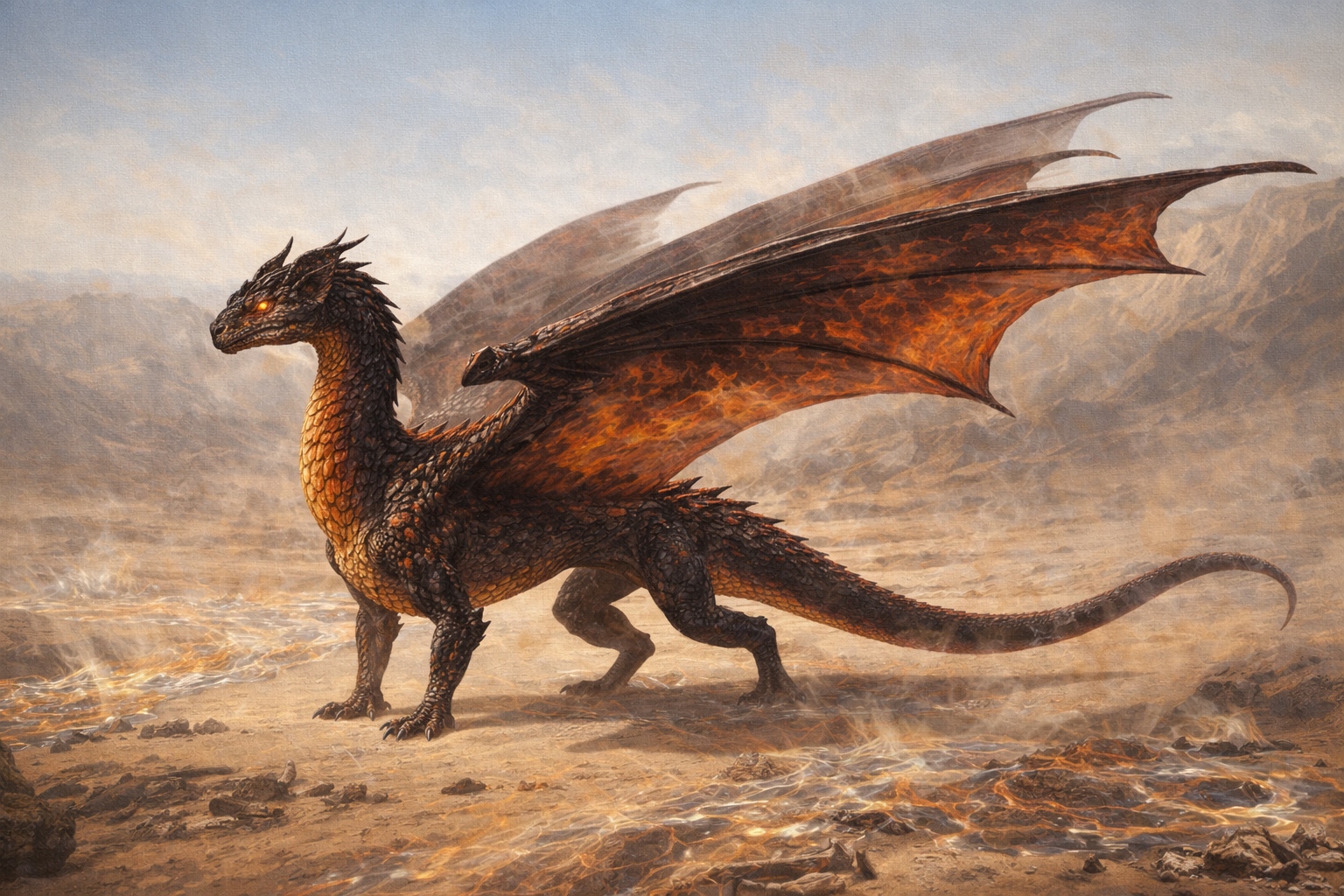
A fire dragon of middling size but extraordinary temperature, capable of burning at heats that melt stone rather than merely setting it alight. Ember Dragons are distinguished from standard fire dragons by the glowing core visible through their chest scales, a furnace that never fully cools, even in death.
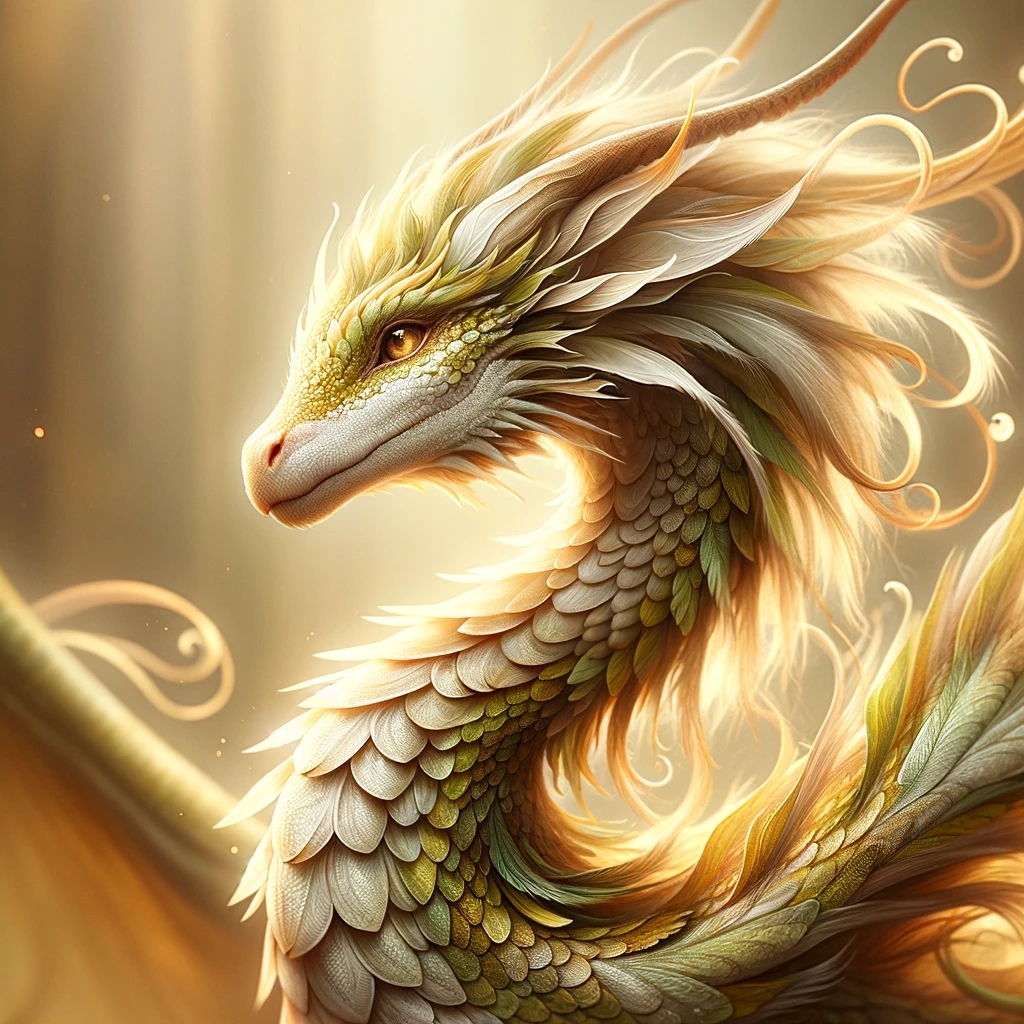
Four seasonal variants (Spring, Summer, Autumn, and Winter) born from the extraordinary union of Dangor, a transformed Eladrin, and the ancient golden dragon Johanna. Fey Dragons are creatures of whimsy and considerable power, each embodying the essence of their season: Spring brings growth and mischief, Summer brings heat and boldness, Autumn brings cunning and melancholy, Winter brings stillness and cold precision.
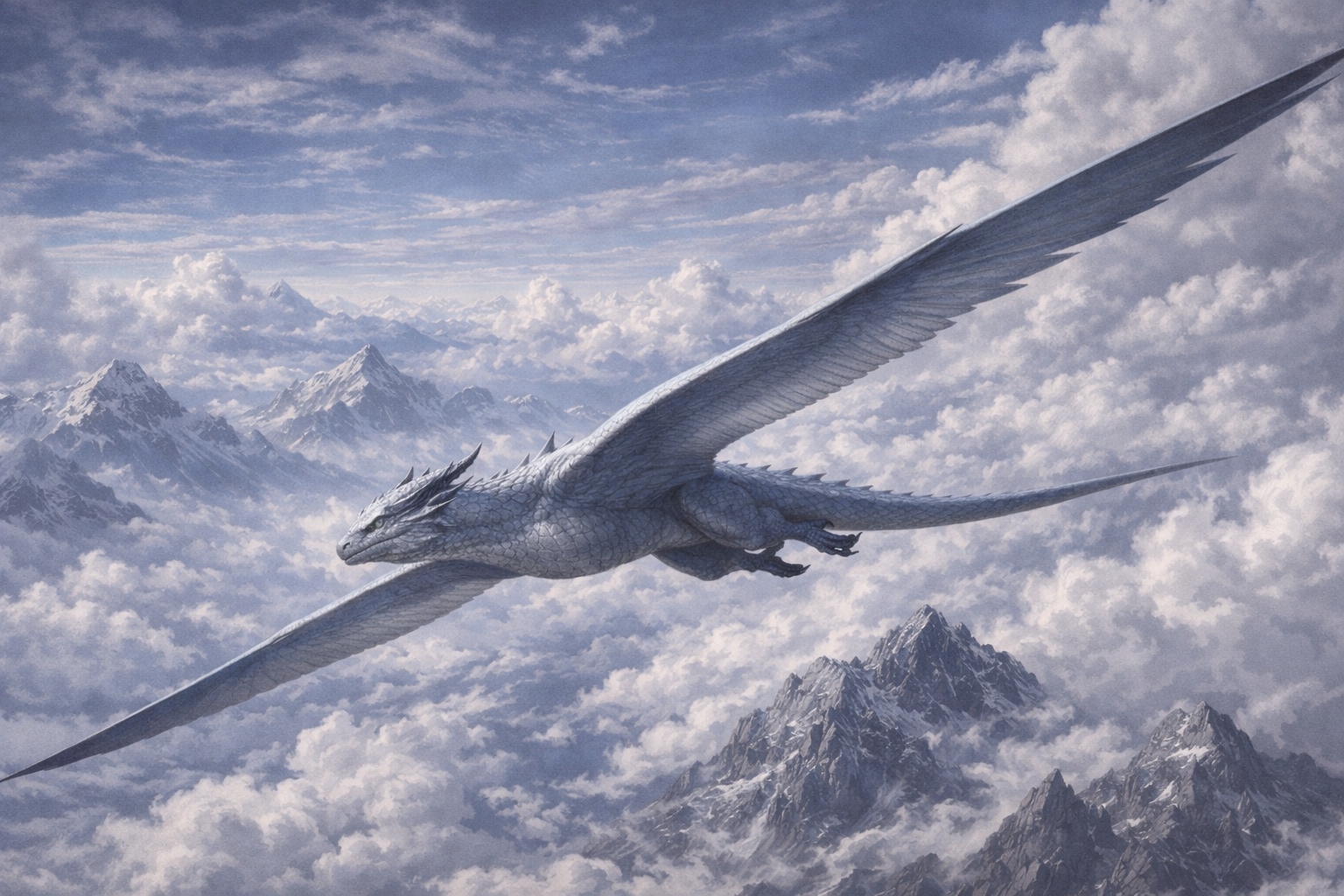
A wind-aspected dragon that hunts from altitude, using devastating downdraft attacks to scatter and disorient prey before diving. Gale Dragons are rarely seen at rest; they are creatures of constant motion, riding thermals for days at a time and sleeping on the wing in updrafts. Their nests, when found, are always at the highest accessible point in their territory.
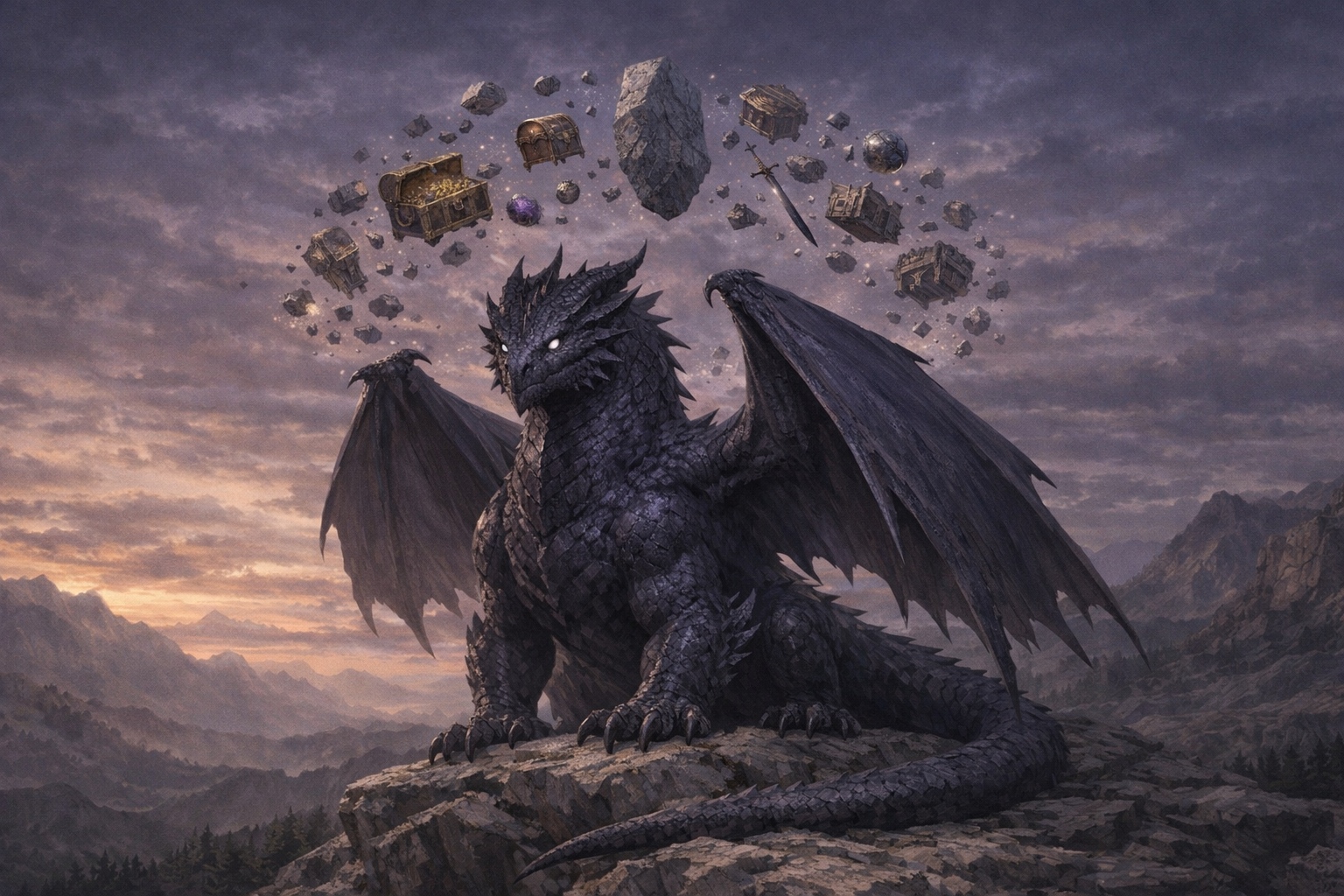
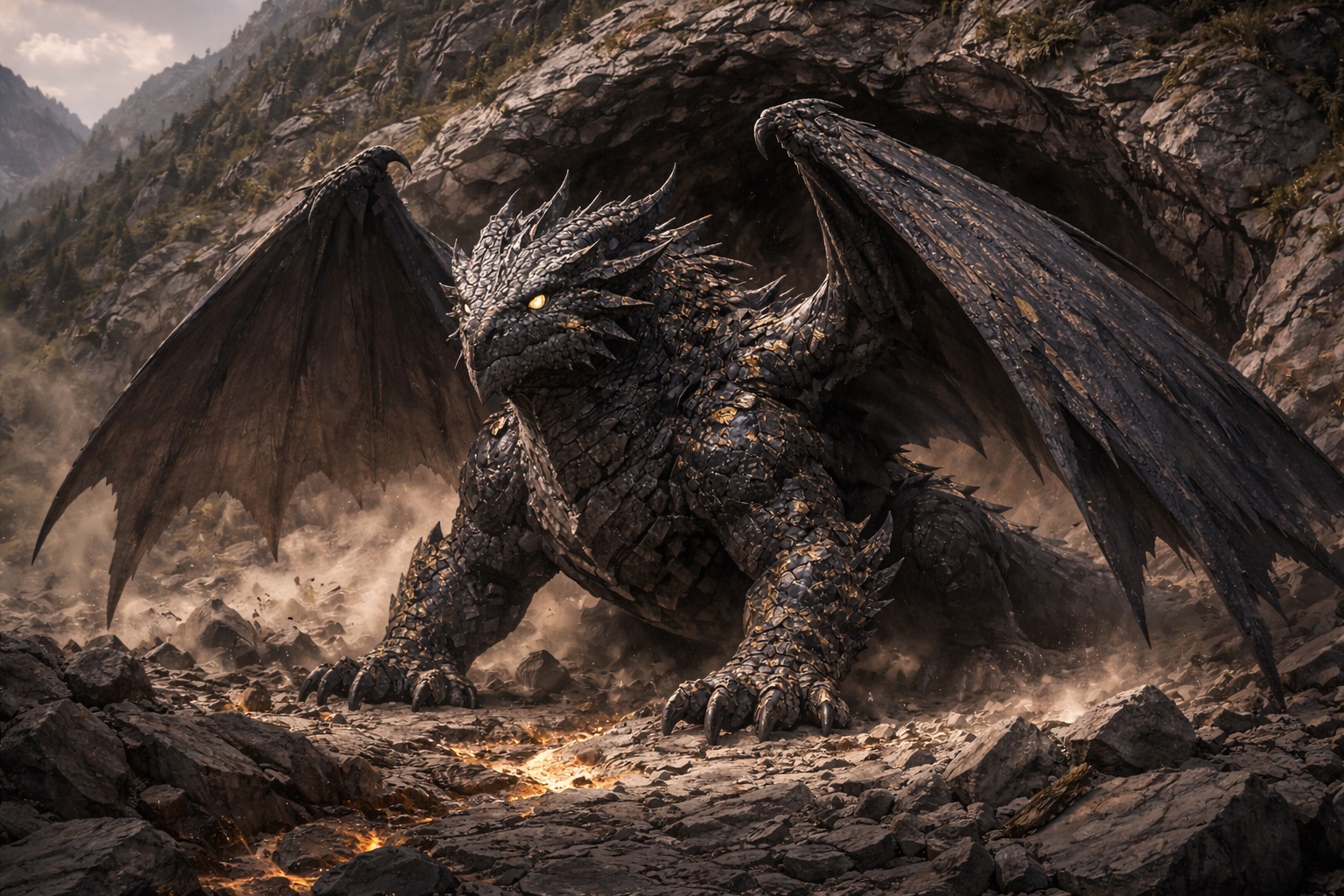
A subterranean dragon that burrows through rock and has developed a hide partially mineralized by centuries of contact with raw ore veins. Ore Dragons collect and incorporate metals into their own body over time, making elder specimens walking geological formations, heavily armored and capable of hurling molten rock as a breath weapon.
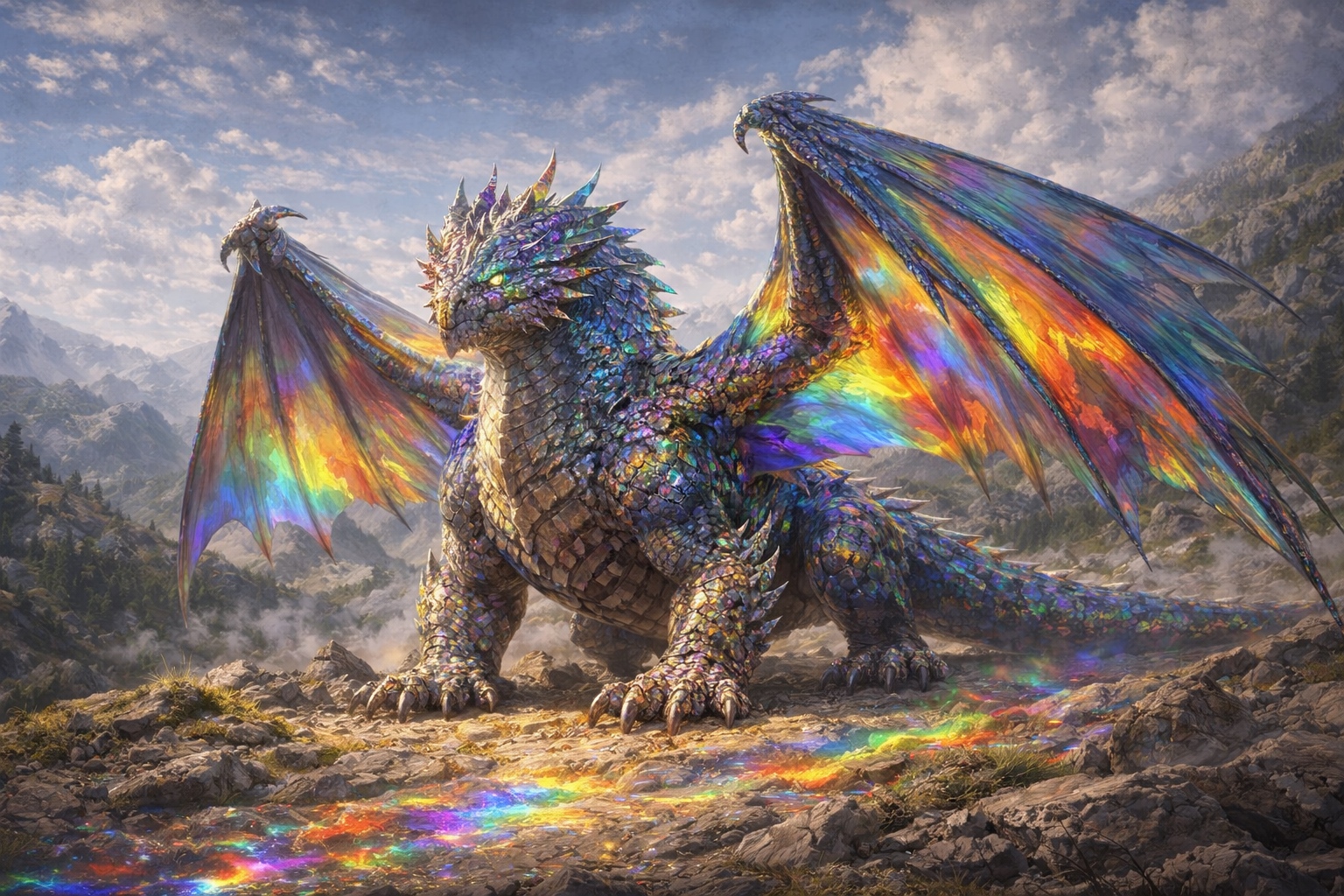
A rare and unsettling dragon that refracts light through its crystalline scales, bending and scattering radiance in ways that make it nearly impossible to pin down visually in direct sunlight. The Prism Dragon's breath is a concentrated beam of refracted light: blinding, burning, and capable of igniting anything flammable at considerable range.
A coastal sea dragon that controls tidal forces within its territory, capable of surging the waterline to drown shorelines or pulling the tide back to strand ships. Tide Dragons are worshipped as gods by some coastal communities and considered existential threats by others; the distinction usually depends on whether the dragon is being fed.
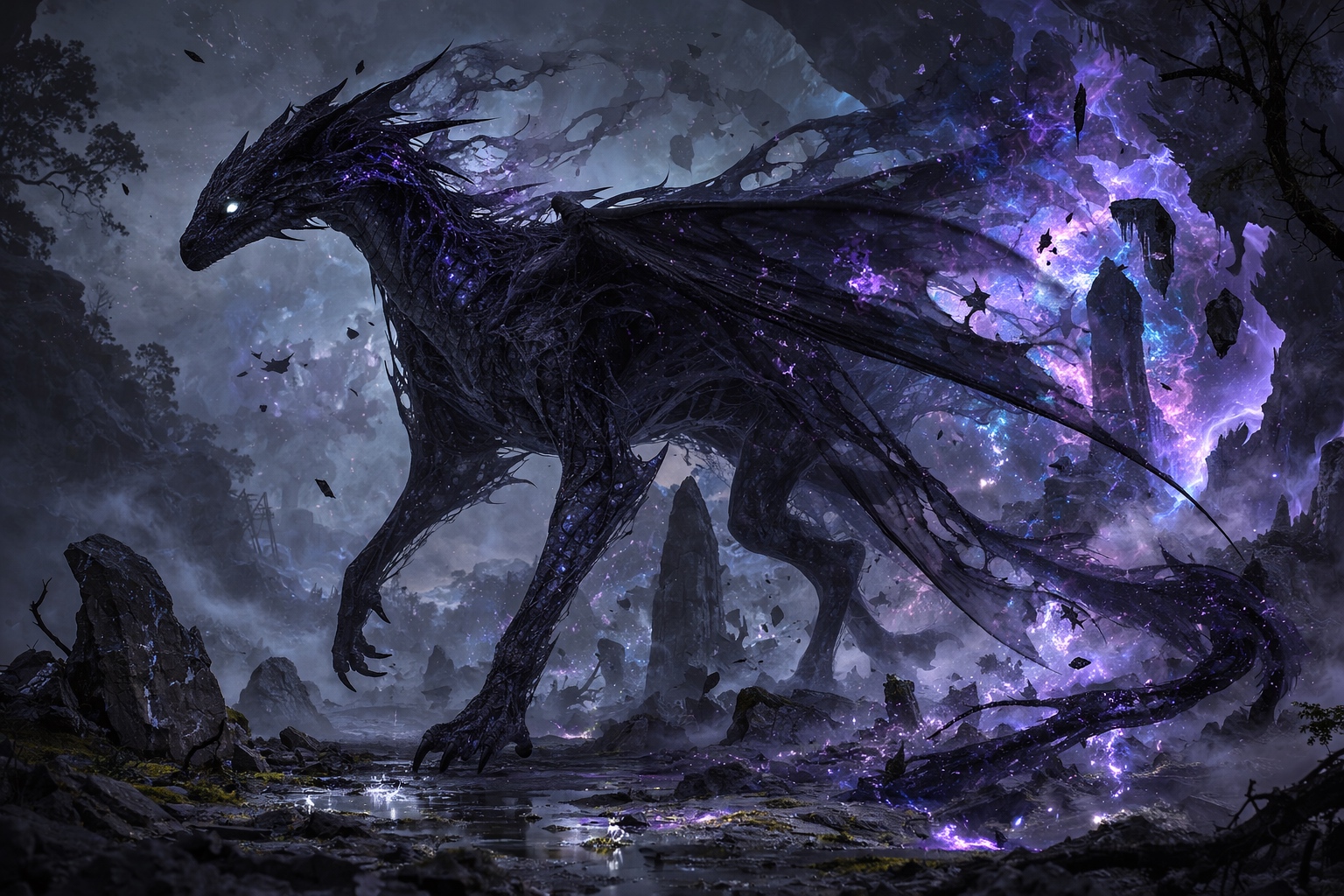
A shadow-aspected dragon that exists partially in the Void, able to phase between states of material and near-absence. The Umbral Dragon is never fully visible (it exists as a suggestion of darkness, a shape that light avoids), and its breath weapon is a cone of pure shadow that drains life as efficiently as any blade.
Monsters
Aberrations, fiends, animated plants, and other entities that resist easy categorization: dangerous, strange, and worth knowing before you encounter one.
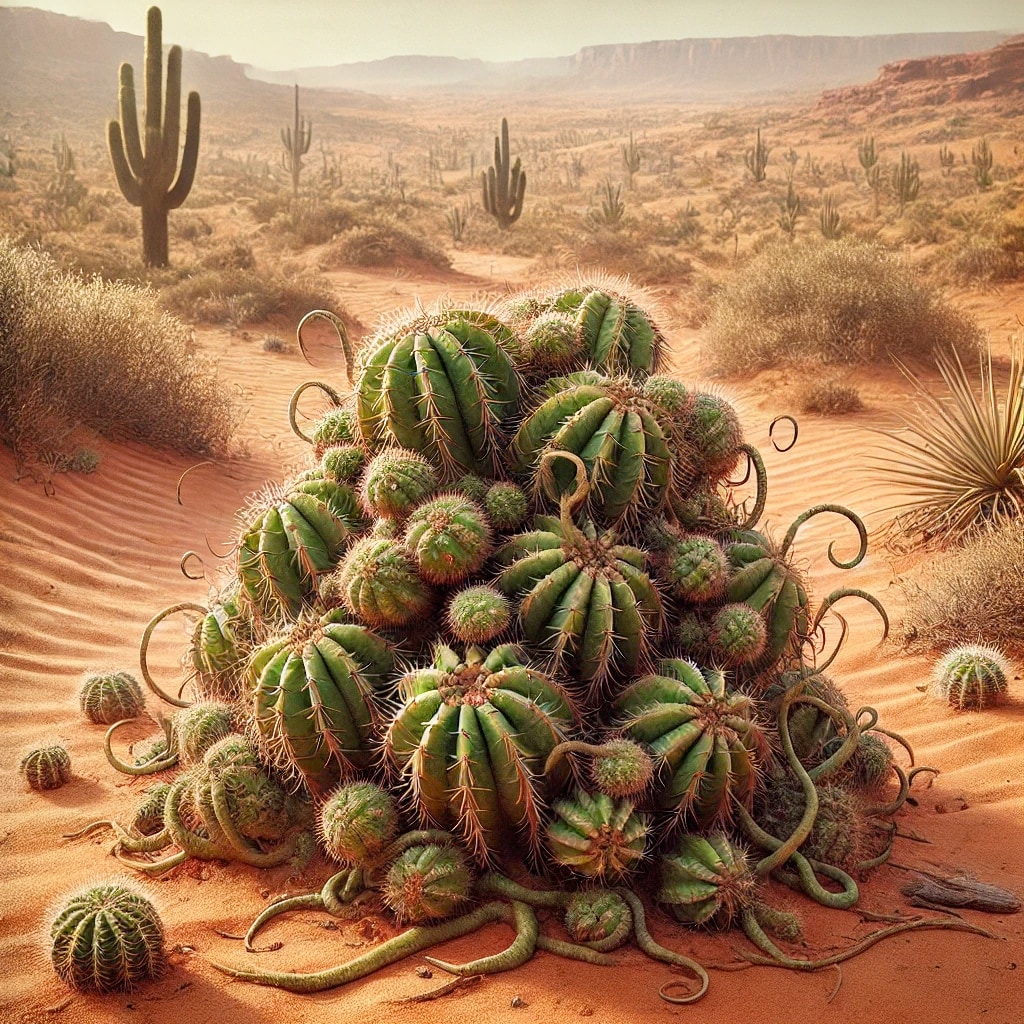
A predatory desert plant native to Jazirah that mimics an ordinary cactus until prey moves within range, at which point it launches volleys of barbed spines with enough force to penetrate light armor. Ambush Cacti grow in loose clusters, meaning the first spine volley is often the warning that a traveler has walked into a field of them.
Small, soft, inexplicably appealing creatures that are born pregnant and reproduce at a rate that defies reasonable accounting. Coddlings are psychically passive (they emit a mild contentment aura that makes people reluctant to remove them), which is presumably why they have survived as a species despite having no other defenses whatsoever.
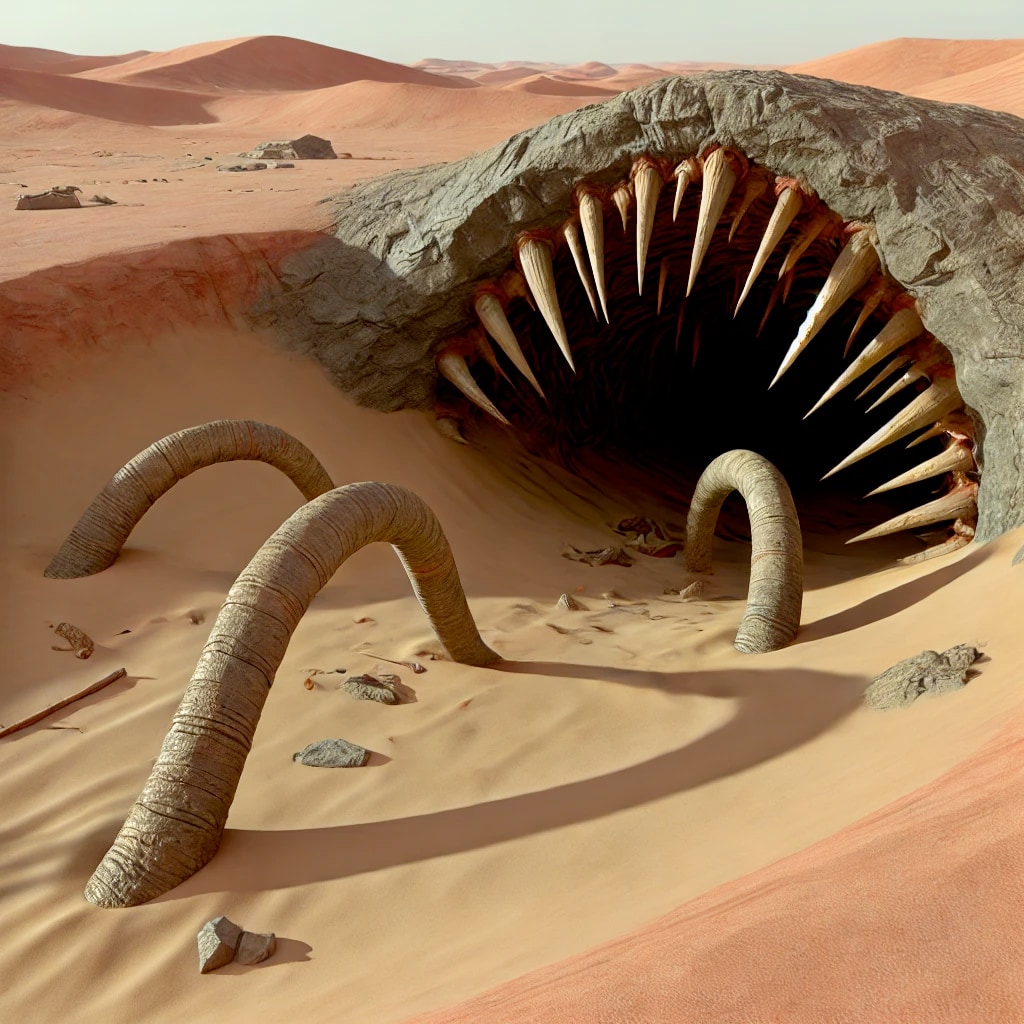
A sand-dwelling ambush predator that buries itself just below the surface of desert dunes, leaving only a faint depression as evidence of its presence. When prey steps into range, the Dunemaw erupts from below and pulls targets under with remarkable speed. Desert caravaneers learn to identify Dunemaw territory by the absence of smaller animal tracks; nothing with sense walks near one.
A psychic entity of unclear origin that communicates exclusively through whispers heard just at the edge of perception; whether it has a physical form or is purely a projection of thought is a question scholars haven't settled. The Whisperer influences behavior subtly over time, nudging victims toward isolation, paranoia, and eventually toward something it apparently needs from them.
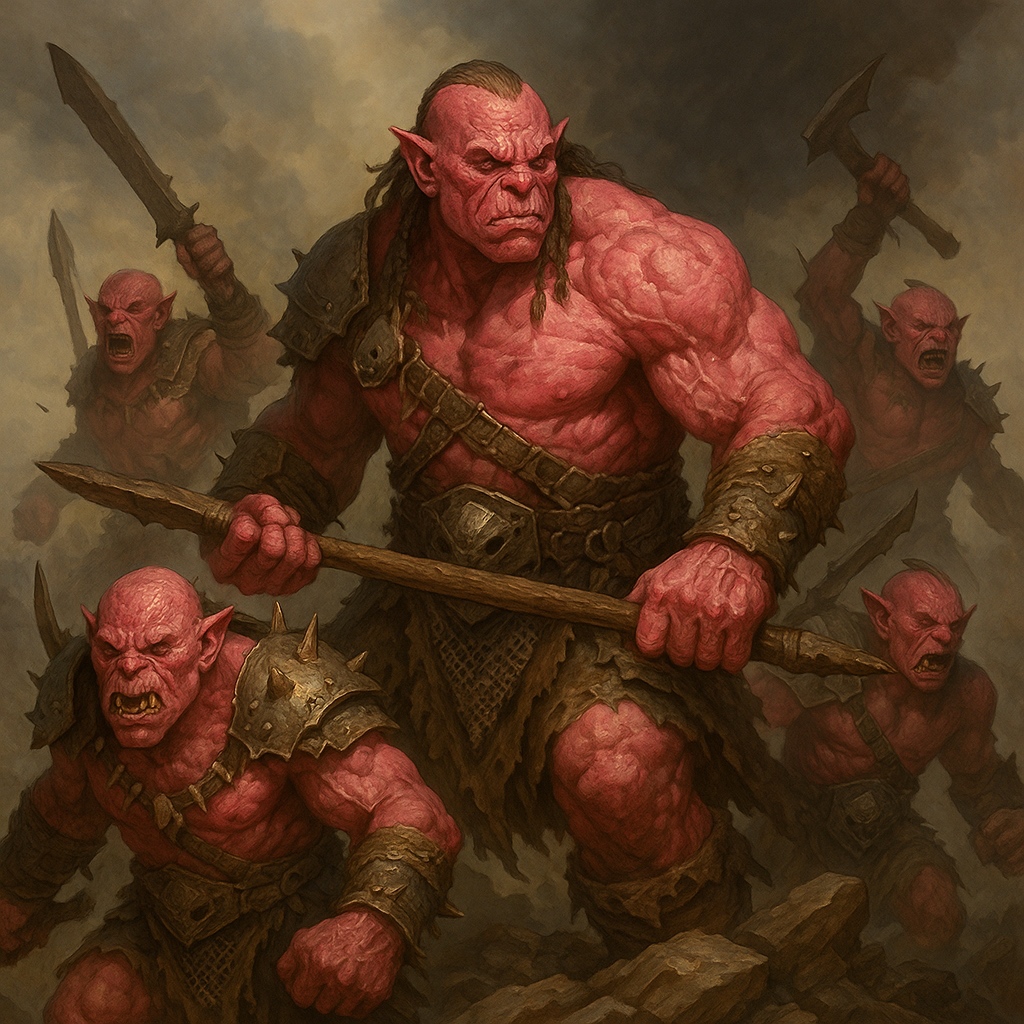
Orcs who have undergone a catastrophic magical corruption that tears the body apart while sustaining the life within it, a grotesque state of living injury that grants tremendous aggression and pain resistance at the cost of everything else. Flesh-Torn Orcs are not tactical combatants; they are force-of-nature threats, closing distance and attacking with a ferocity that does not diminish as they take damage.
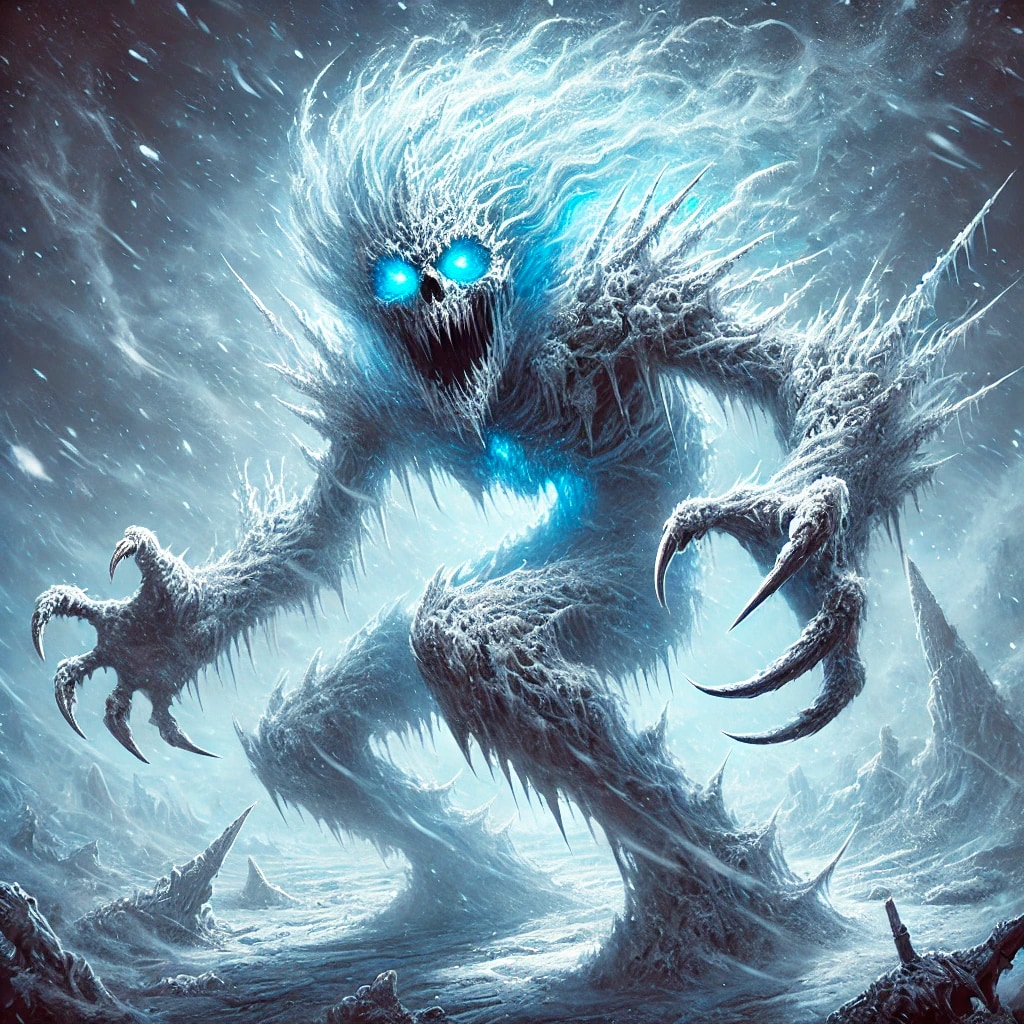
An undead entity born in extreme cold, animated by the intersection of necromantic energy and sustained sub-zero temperature, the body preserved by frost rather than decay. Frost Wights retain enough of their former intelligence to be tactical, and they carry a cold that spreads on contact, slowing and numbing targets before the killing blow arrives.
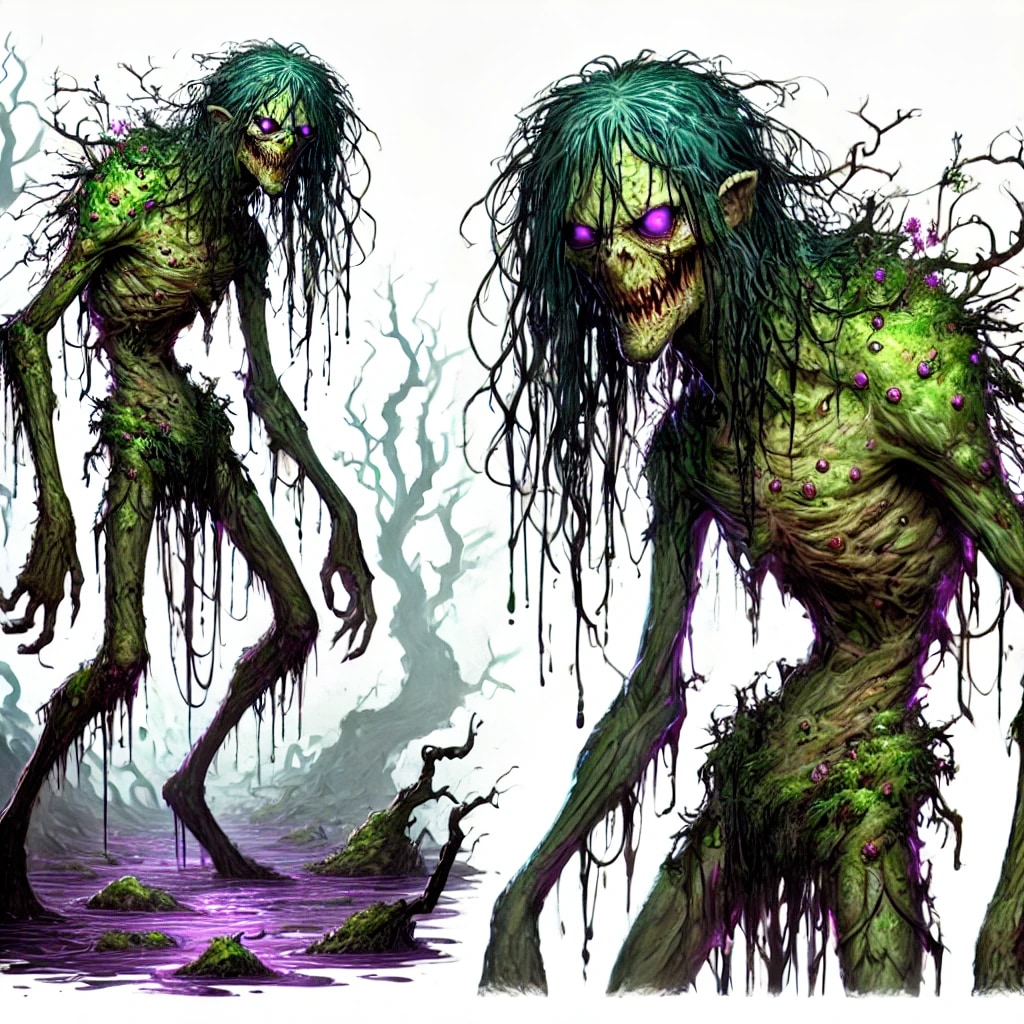
A tall, spindly marsh creature with disproportionately long limbs that allow it to move through deep bog terrain at unsettling speed. Gangly Mirelings are ambush hunters that use the obscuring fog and tangled root systems of their habitat to stay invisible until contact range, at which point those long arms become a grappling problem.
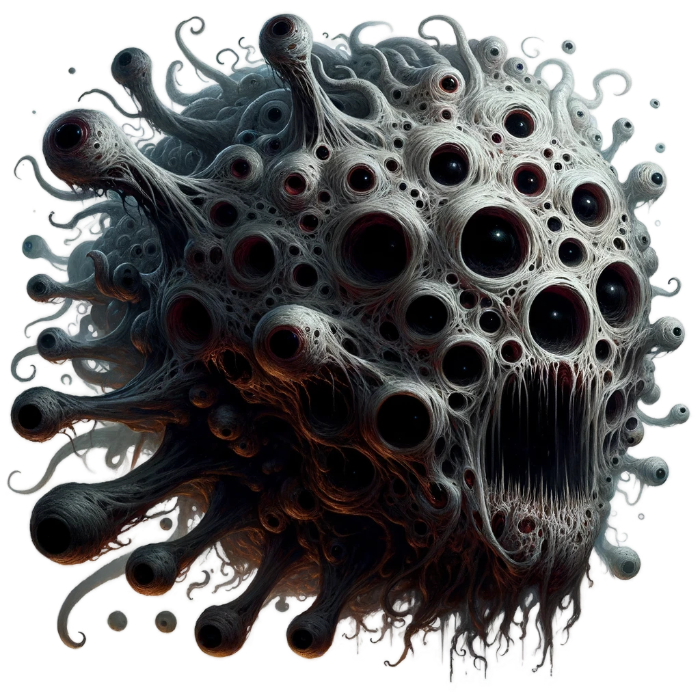
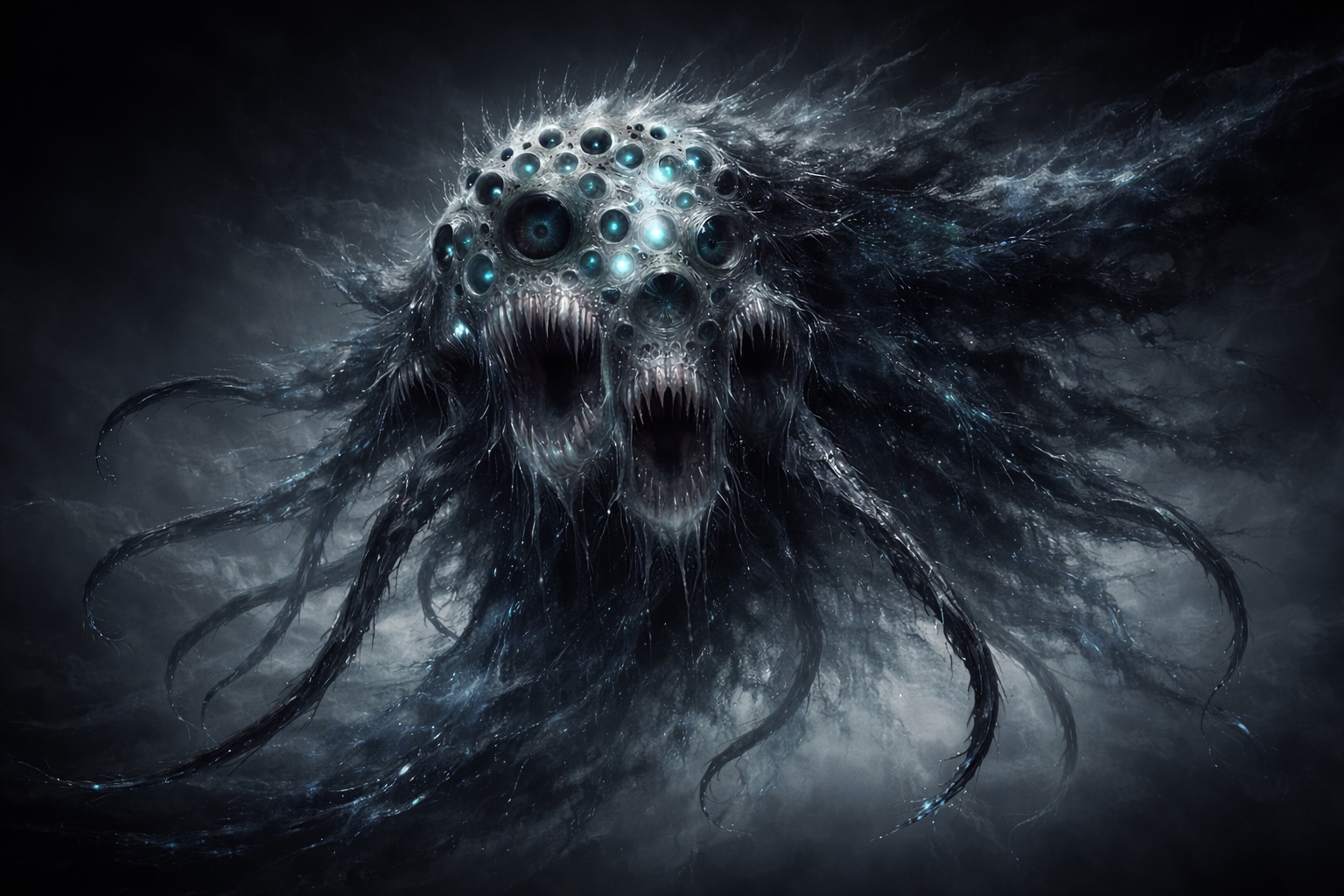
A mass of mewling, half-formed mouths and eyes that functions less as a creature and more as an event, a localized zone of psychic noise that disorients everything nearby. Gibbering Spawn are believed to be the consequence of Void contamination seeping into organic matter, producing something that wants nothing, fears nothing, and simply generates chaos as a byproduct of existing.
A squat, stone-colored ambush predator that achieves near-perfect camouflage against rocky terrain by having hide that is genuinely mineral-hard and mineral-grey. Rock Lurkers are patient hunters; they will hold position for days waiting for prey to walk past. The first indication of their presence is usually the crunch of a very large bite.
A desert-born elemental that manifests as a churning vortex of compressed sand capable of grinding flesh and metal alike. Sand Elementals arise spontaneously in regions where the desert has been subjected to extreme magical discharge, and they appear to be drawn to sources of water, which they cannot consume but seem to experience as an irritant they want to eliminate.
A passive but lethal desert plant that is entirely indistinguishable from dead scrub until someone steps on it, at which point it detonates in a radius of rigid, barbed spines. A single Spineweed Cluster is a nuisance; a field of them in a canyon pass is an obstacle that has stopped armies. Jazirah hunters use them as improvised trap elements, and their harvested spines sell as crossbow bolt fletching.
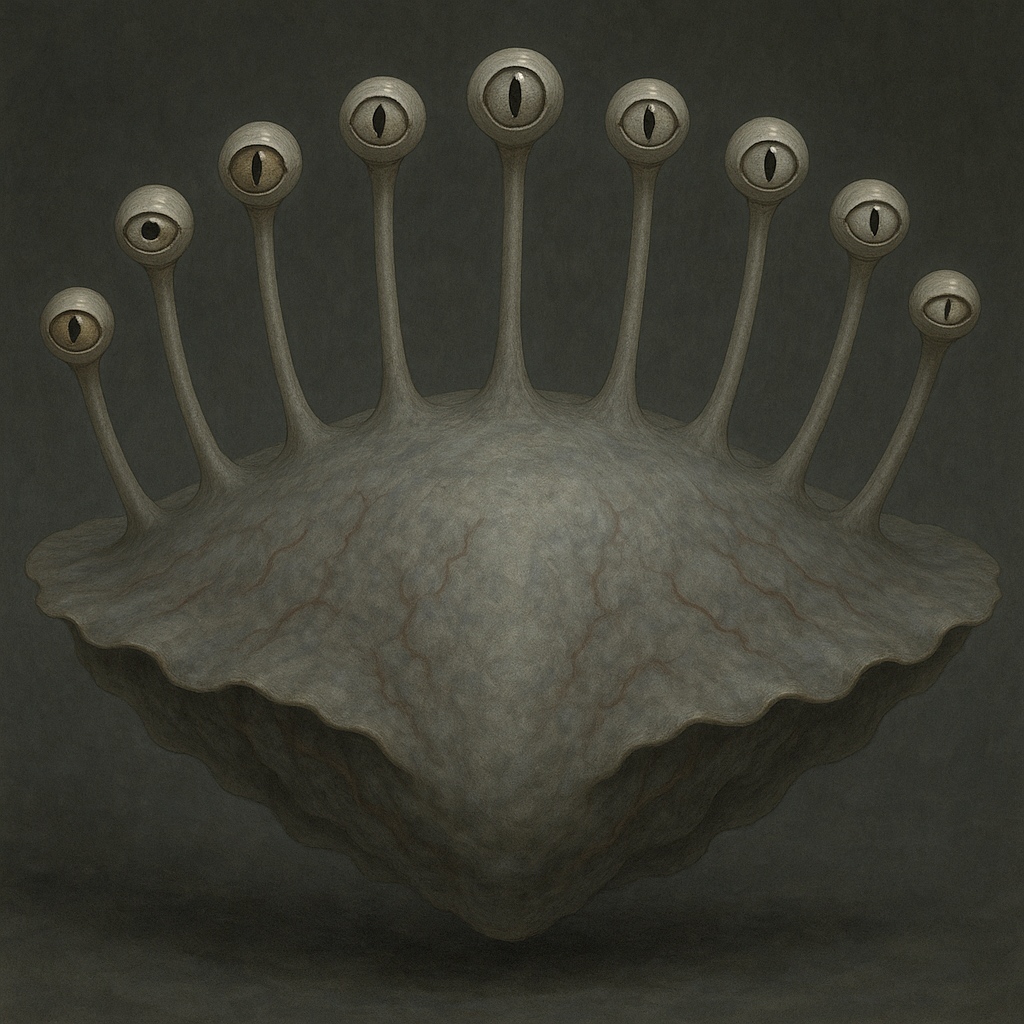
A massive Void aberration of singular danger: a twelve-foot bulk of shifting membrane bearing nine semi-independent eyes that think and act separately, capable of dismantling a party's collective sanity from across a room. The Ocularch does not rage; it evaluates. It fractures groups through paranoia, memory erasure, and targeted psychic collapse before dealing with what remains. Among the most dangerous entities documented in this compendium.
A large predatory plant of Jazirah's desert plains that spends most of its existence drifting passively as an ordinary-looking thorn-bush, then activates and builds rolling speed toward anything that disturbs the ground. The Tumblethorn leads with its mass to knock targets prone, then entangles with thorny lash-tendrils. It has no tactical complexity. It simply charges, relentlessly, until something stops it, and fire is the reliable answer.
A large, cetacean-shaped Void aberration that condenses at points where the barrier between the material world and the Void has thinned. Its most defining quality is passive: within thirty feet, spells simply fail: no counterspell required, no save, they just unravel. Its ability to paralyze and then consume the soul of paralyzed targets can eliminate a party member in two rounds. When a coastal lighthouse goes dark and dogs refuse to approach the docks, this is why.
A contract devil who moves through the world as whoever you most want to trust: a shapeshifter who studies his targets before approaching, and approaches only when he has already decided what they want. Zephyros does not coerce; he persuades, presents a contract, and delivers exactly what the fine print states. He honors the letter of every deal he makes. The people who signed them wish he didn't.